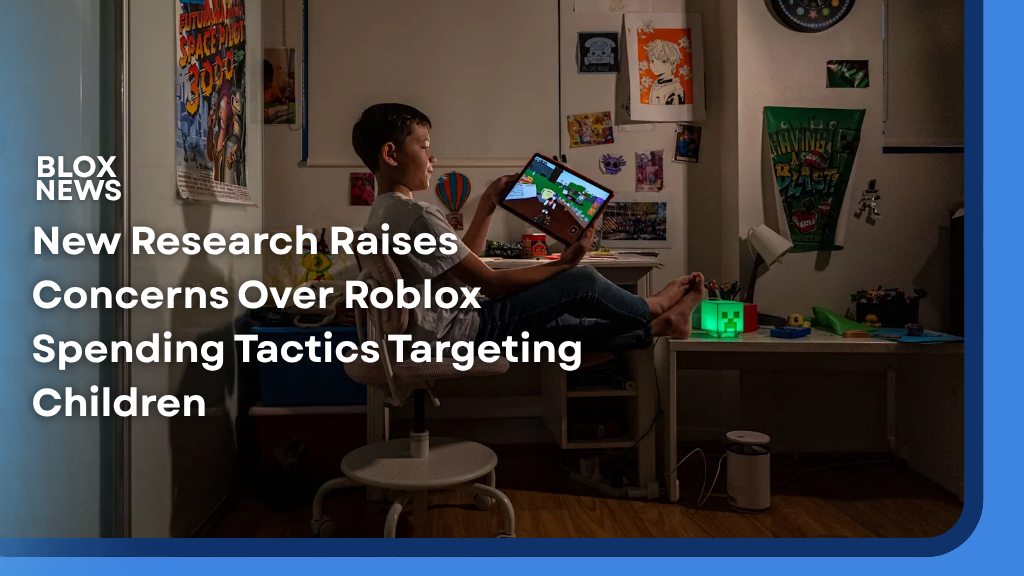
New university research has sparked concerns about how children are interacting with spending systems on Roblox, with researchers warning that some in-game mechanics resemble scam-like or gambling-style tactics designed to pressure young players into spending money.
A study conducted by researchers at the University of Sydney found that many children struggle to understand Roblox’s virtual currency system, known as Robux, often leading to accidental overspending and frustration. Researchers interviewed children aged 7 to 14 and discovered that many felt “tricked” or “scammed” while playing popular games on the platform. The research highlighted how multiple currency conversions and limited-time offers can make it difficult for younger users to understand the real-world value of their purchases. One child described the experience as “scary,” while others admitted they had “no idea” how much money they were actually spending.
Researchers also raised concerns about “loot box” style rewards and chance-based purchases still appearing in some popular Roblox experiences despite Australia introducing restrictions on loot boxes for children under 15 in 2024. Games mentioned in the study included titles such as Adopt Me! and Pet Simulator 99. According to the report, Roblox generated billions of dollars through microtransactions and virtual item purchases in recent years, with much of its revenue tied to Robux spending. Researchers argue that these monetisation systems can encourage repeated purchases, especially among younger audiences who may not fully understand digital spending.
The findings add to broader debates surrounding online child safety and monetisation in gaming platforms. Other recent studies and investigations have also questioned how effectively platforms protect younger players from financial exploitation and misleading spending systems.
In response to growing criticism, Roblox has previously stated that it continues to improve safety tools, parental controls, and age-based protections across the platform.